What is non woven fabric?
Aug 04,2025
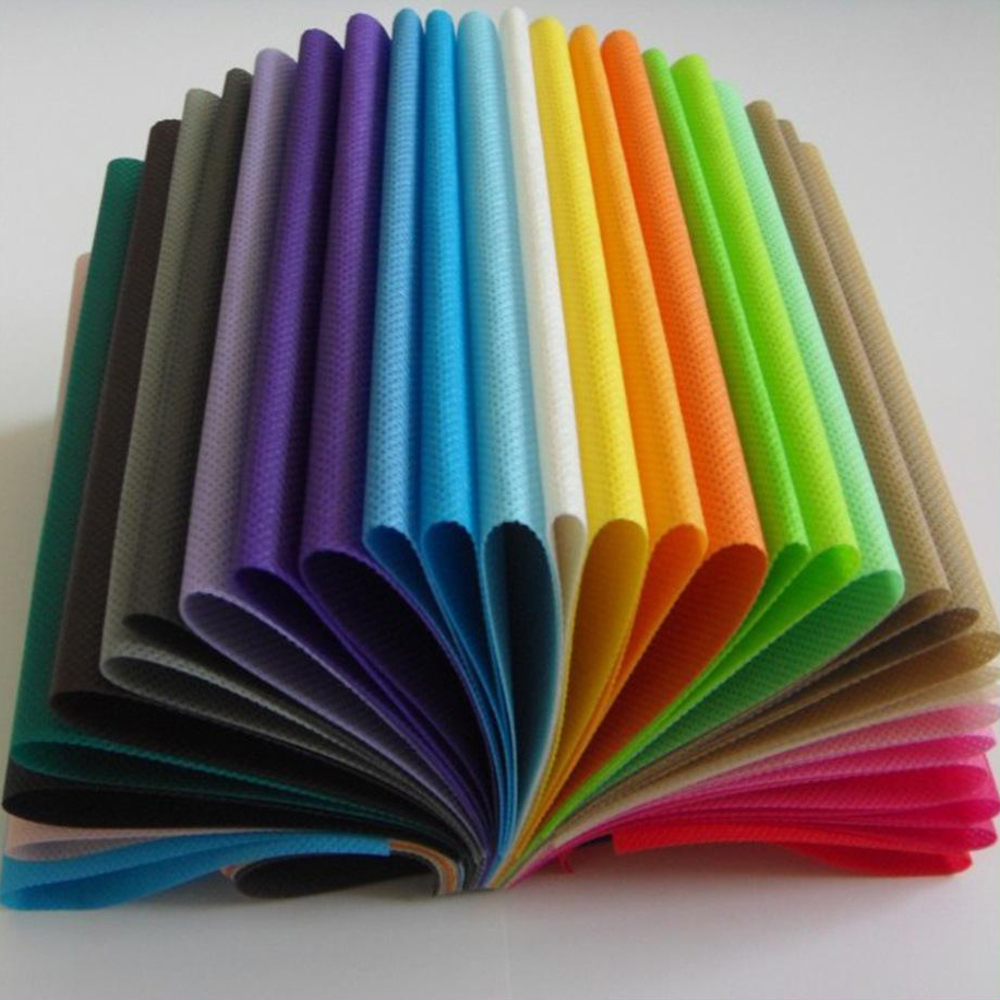
Nonwoven fabric, also known as non-woven fabric, is a type of sheet-like fiber product formed by directly web-forming and reinforcing fibers without going through traditional spinning and weaving processes. The following is a detailed introduction from five aspects: origin, properties, types, raw materials, and uses:
I. Origin
The concept of nonwoven fabric can be traced back to the end of the 19th century. At that time, British inventor Benjamin Crookall first attempted to make sheet-like materials by mechanically entangling fibers in 1862, pioneering the prototype of non-woven technology.
In the early 20th century, with the development of the chemical industry, the progress of adhesive technology promoted the birth of "adhesive-bonded" nonwovens. During World War II in the 1940s, due to the surging demand for medical supplies (such as surgical dressings), the large-scale production technology of nonwovens accelerated its maturity. After the 1950s, key processes such as spunbond and meltblown were invented one after another (for example, DuPont in the United States developed the spunbond method in 1954), laying the foundation for the modern nonwoven industry.
Today, nonwoven fabric has become one of the fastest-growing textile categories in the world, and technological iteration continues to expand its performance and application boundaries.
II. Properties
The core properties of nonwoven fabric are determined by its process characteristics, mainly including:
- Process particularity: It does not require spinning or weaving. Fibers are directly web-formed and then reinforced by physical (needling, spunlacing) or chemical (adhesion, hot-melting) methods, resulting in a short production process and high efficiency.
- Structural diversity: Fibers are arranged randomly or directionally, without the warp and weft interwoven structure of traditional textiles. Different textures such as fluffy, dense, soft, and tough can be formed through process adjustment.
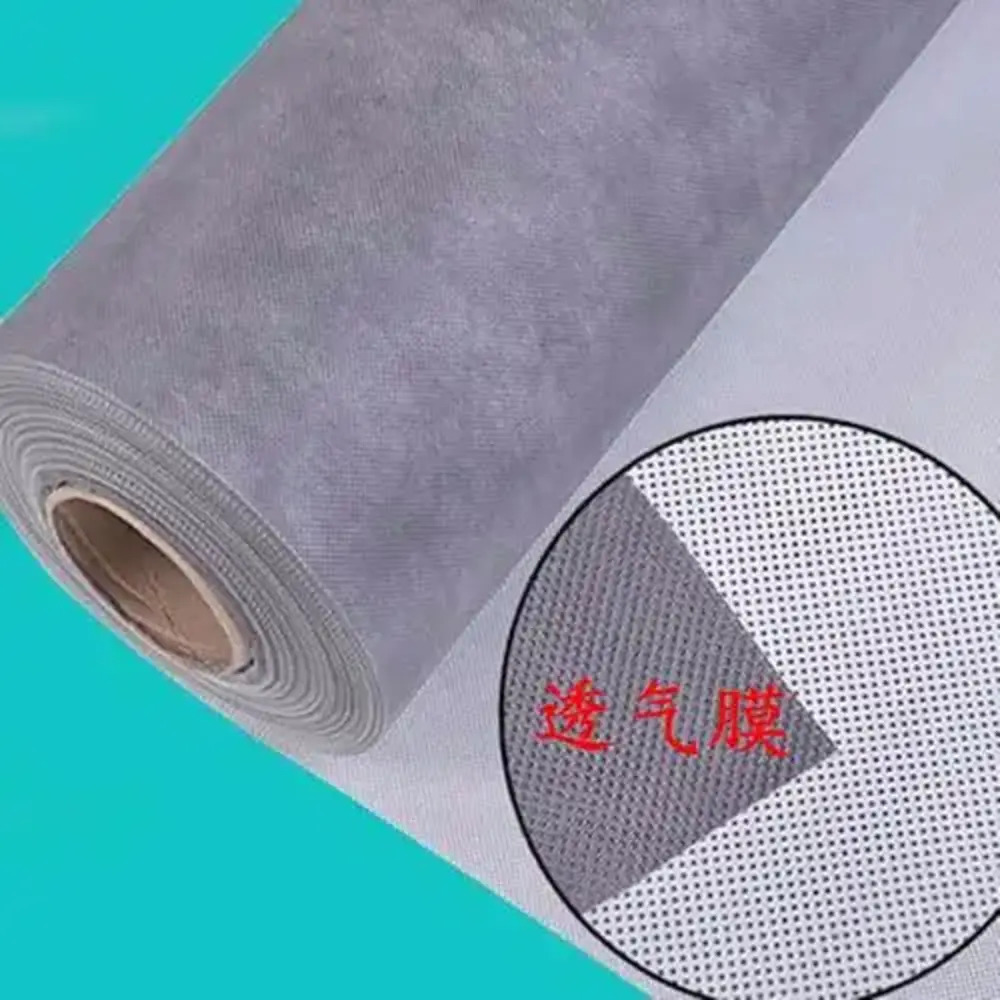
- Functional plasticity: Through raw material selection or post-treatment (such as coating, impregnation), it can have customized functions such as waterproof, breathable, antibacterial, filtering, flame-retardant, and water-absorbent.
- Raw material compatibility: It can be compatible with various raw materials such as natural fibers, chemical fibers, and recycled fibers, and can realize the mixing of different fibers, flexibly adapting to scene needs.
- Cost advantage: Compared with traditional textiles, it saves the spinning and weaving links, has a short production cycle, and the large-scale production cost is lower (except for special functional products).
III. Types (classified by processing technology)
The types of nonwoven fabrics are mainly divided according to the "reinforcement method" after fiber web formation. Common types and their characteristics are as follows:
- Spunbond nonwoven fabric: Molten polymers (such as polypropylene) are extruded through spinneret holes to form continuous filaments. The fiber web is then reinforced by thermal bonding. It is characterized by high strength, tear resistance, moderate cost, and is often used in shopping bags, packaging materials, protective clothing, etc.
- Meltblown nonwoven fabric: High-speed hot air stretches molten polymers into ultra-fine short fibers (with a diameter of 1-5 microns). The fibers are randomly accumulated and self-bonded. Due to the fine fibers, it has extremely strong filtering performance and is the core material of masks (N95/KN95) and air filters.
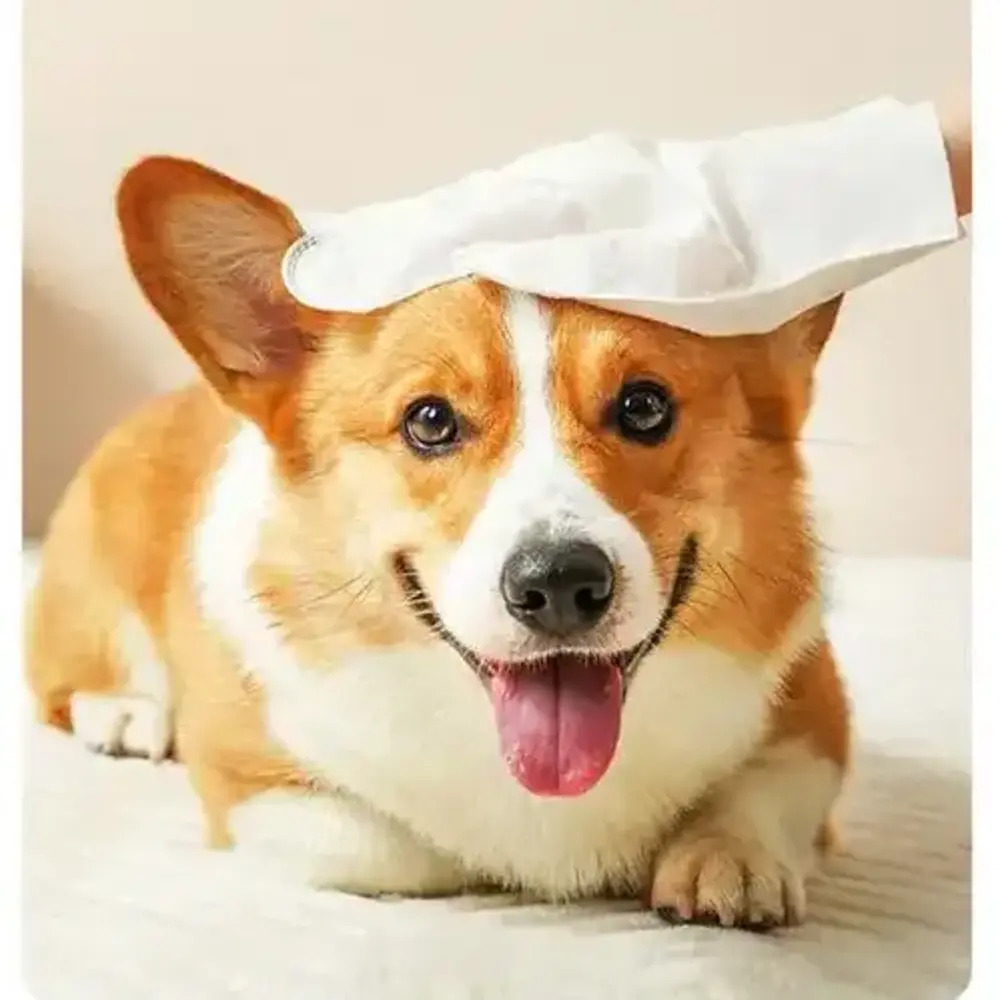
- Spunlaced nonwoven fabric: High-pressure water jets impact the fiber web, making the fibers entangle and reinforce each other. It has a soft texture and good air permeability, similar to cloth, and is often used in wet wipes, facial masks, medical dressings, etc.
- Needled nonwoven fabric: The fiber web is repeatedly punctured by barbed needles, making the fibers entangle to form a dense structure. It has high strength and good wear resistance, and is mostly used in industrial filter materials, carpet backings, geotextiles, etc.
- Hot-air nonwoven fabric: Hot air is used to melt the low-melting point components in the fibers (such as composite fibers) to make the fibers bond. It has high bulkiness and good warmth retention, and is commonly used in diaper linings, thermal insulation filling materials, etc.
- Adhesive-bonded nonwoven fabric: The fiber web is bonded and reinforced by spraying or impregnating adhesives (such as starch, latex). It has low cost but poor strength, and is mostly used in disposable hygiene products (such as wet wipe packaging).
IV. Raw materials
Nonwoven fabrics have a wide range of raw material sources, which can be divided into three categories:
- Natural fibers: Such as cotton, hemp, wool, bamboo fiber, etc. They are characterized by environmental protection and biodegradability, and are often used in high-end hygiene products (such as baby wipes) and medical dressings.
- Chemical fibers:
1. Polypropylene (PP): The most commonly used raw material, with low cost and corrosion resistance, is the main raw material for spunbond and meltblown nonwovens (such as masks, shopping bags).
2.Polyester (PET): High strength and wear resistance, mostly used in needled and spunlaced nonwovens (such as filter materials, home decoration).
3.Polylactic acid (PLA): A bio-based fiber that is completely biodegradable and is the core raw material for environmentally friendly nonwovens (such as biodegradable shopping bags).
4.Others: Such as polyethylene (PE), nylon (PA), etc., used for special functional needs (such as waterproof nonwovens).
- Recycled fibers: Fibers made from recycled materials (such as waste plastic bottles, textile waste), which take into account environmental protection and cost, and are often used in packaging, agricultural covering cloths and other scenarios.
V. Uses
With its diverse properties, nonwoven fabrics are used in many fields:
- Medical and health: Masks, surgical gowns, protective clothing, sterile dressings, disinfection wipes, etc. (relying on their barrier and antibacterial properties).
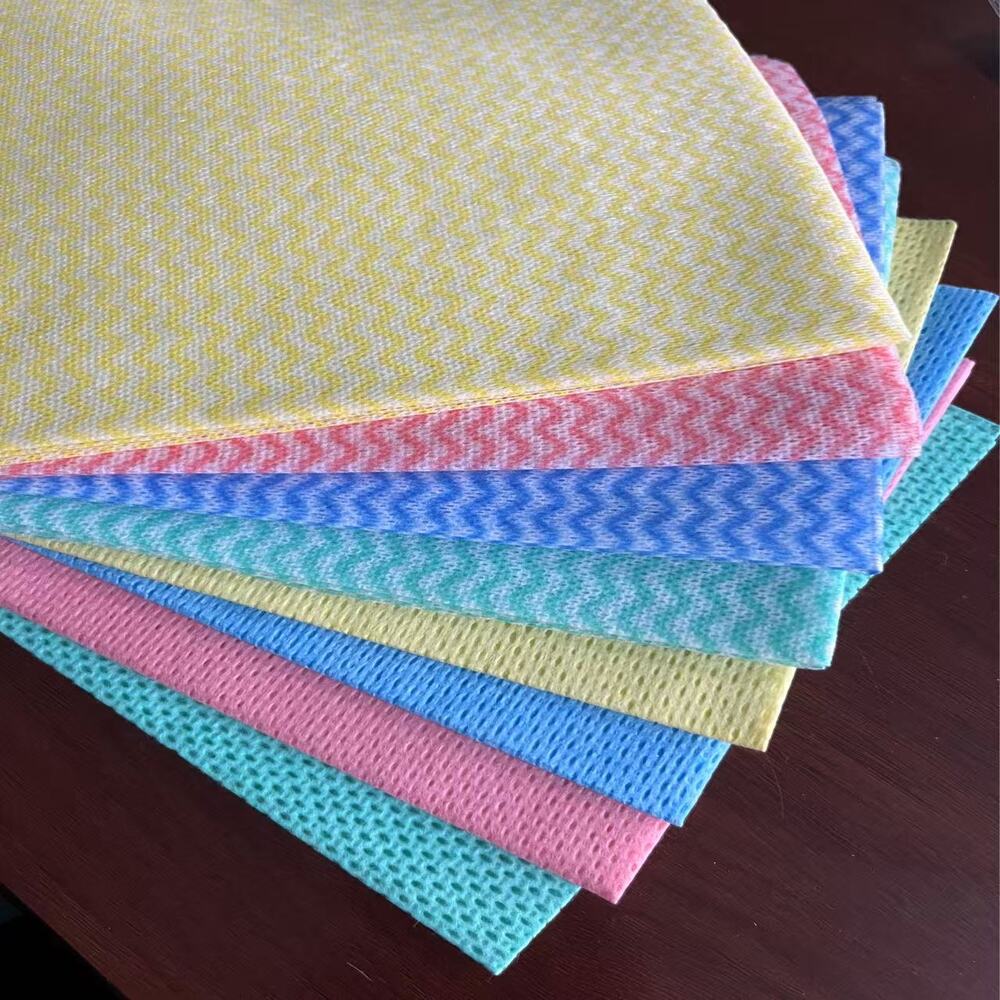
- Hygiene products: Diapers, sanitary napkins, makeup remover pads, facial cleansing towels, etc. (utilizing their water absorption and softness).
- Industry and engineering: Air/water filter materials, geotextiles (subgrade reinforcement, anti-seepage), packaging cloths, automobile interiors (sound insulation, heat insulation), etc. (by virtue of their high strength and corrosion resistance).
- Daily life: Environmental protection shopping bags (replacing plastic bags), home decoration (curtains, carpets), wet wipes, disposable tablecloths, etc.
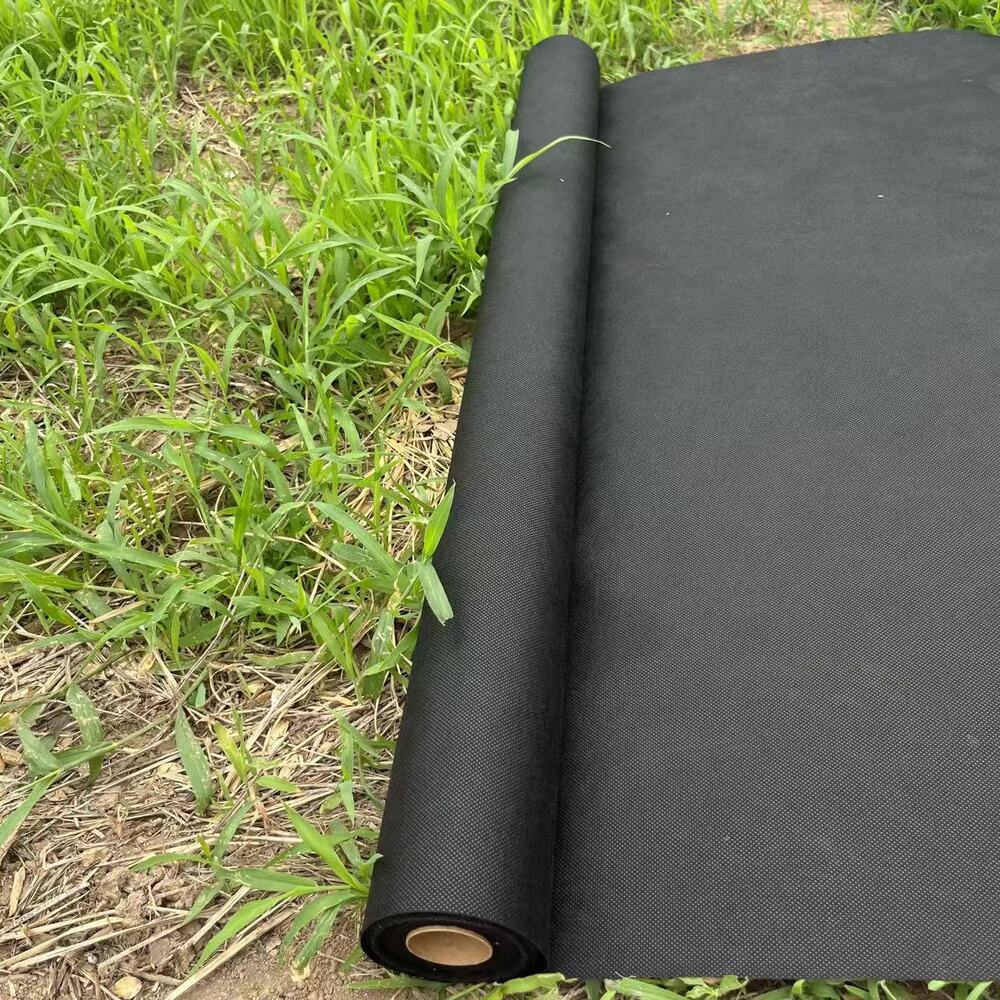
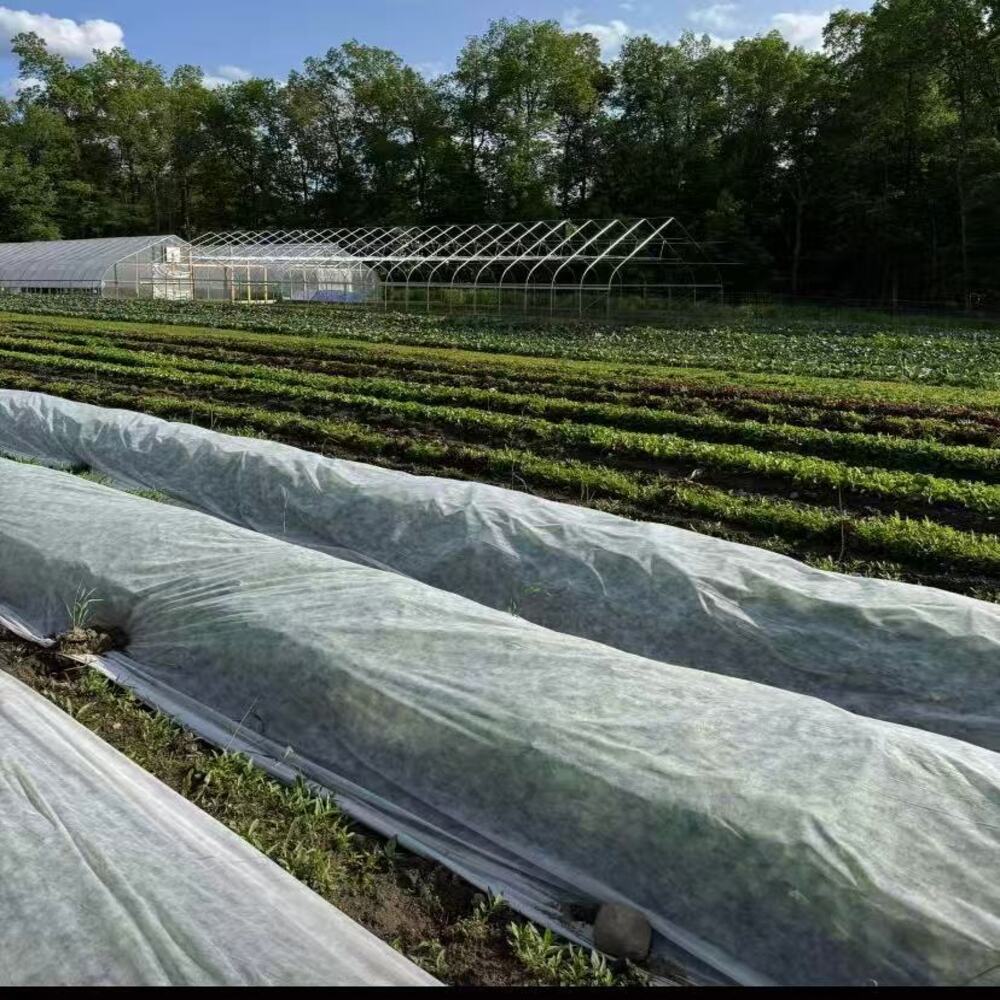
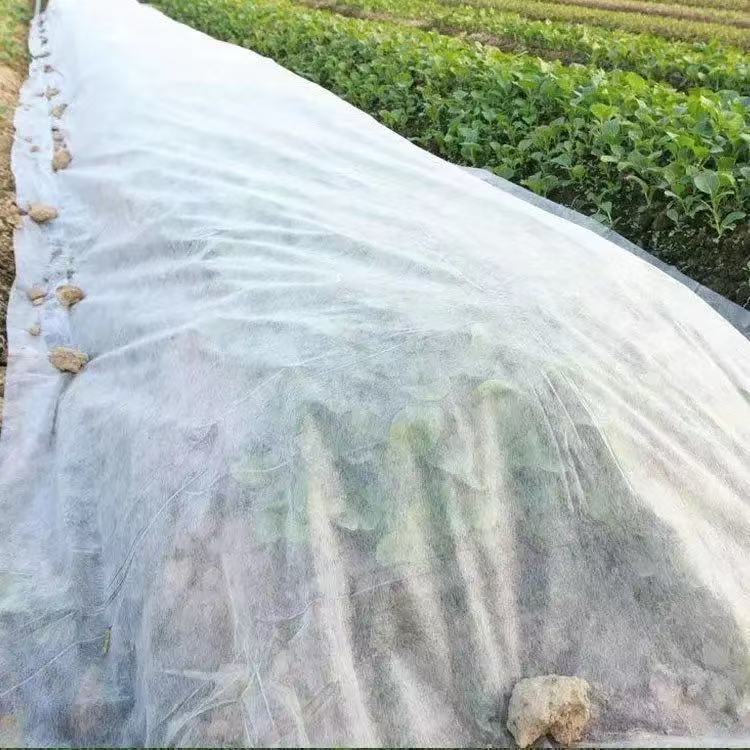
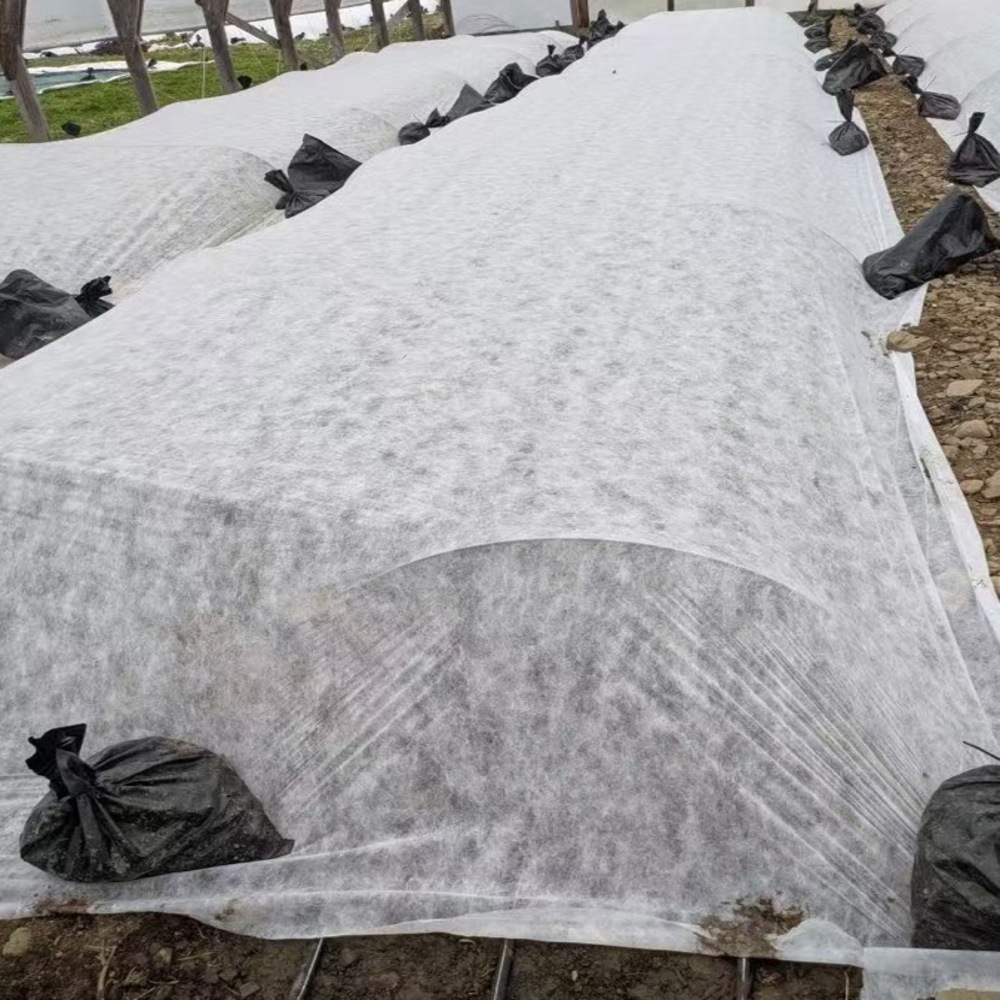
- Agriculture and horticulture: Crop covering cloths (moisturizing, weed control), seedling bags, insect-proof nets, etc. (using their air permeability and weather resistance).
- Others: High-end scenarios such as aerospace materials (lightweight, high-temperature resistance) and protective products (flame-retardant cloth, chemical protective clothing).
In summary, nonwoven fabric is a new type of material with efficient production, diverse functions and wide applications. Its development has always been closely combined with environmental protection and technological needs, and its potential in sustainable materials and high-end functional fields will be further released in the future.
 WhatsApp
 Email
Email
 15908001621