What is microfiber spunlace nonwoven fabric?
Jul 12,2026

What is microfiber spunlace nonwoven fabric?

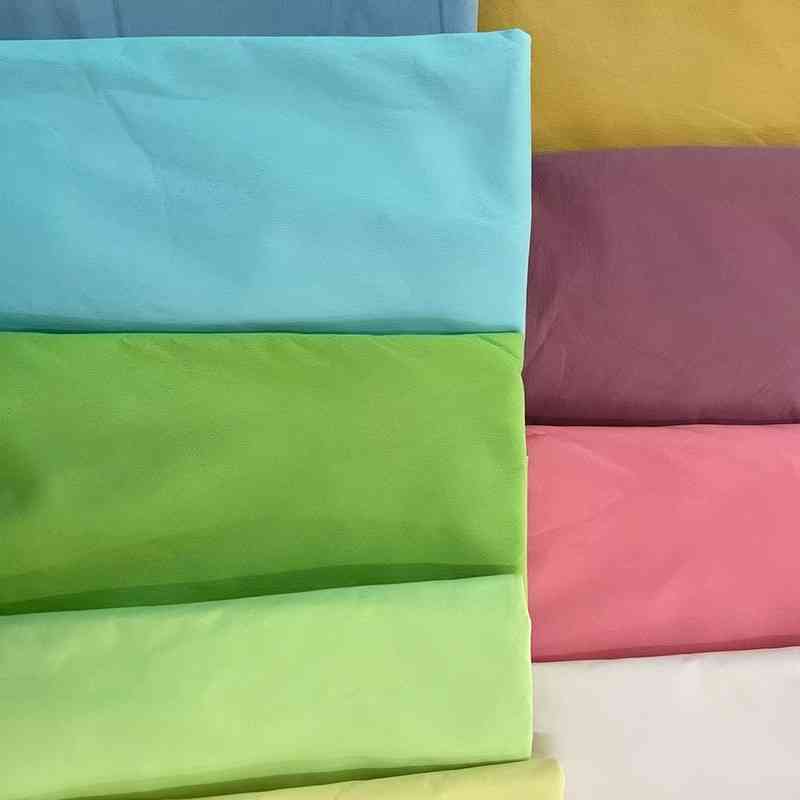
Microfiber spunlace nonwoven fabric is a high-end cleaning material. Whether used as woven or nonwoven cleaning cloths, traditional materials tend to shed fibers and leave streaks after wiping, failing to meet the cleaning requirements of more demanding areas. Cleaning cloths made from ultra-fine fiber spunlace nonwoven fabric completely resolve these issues.

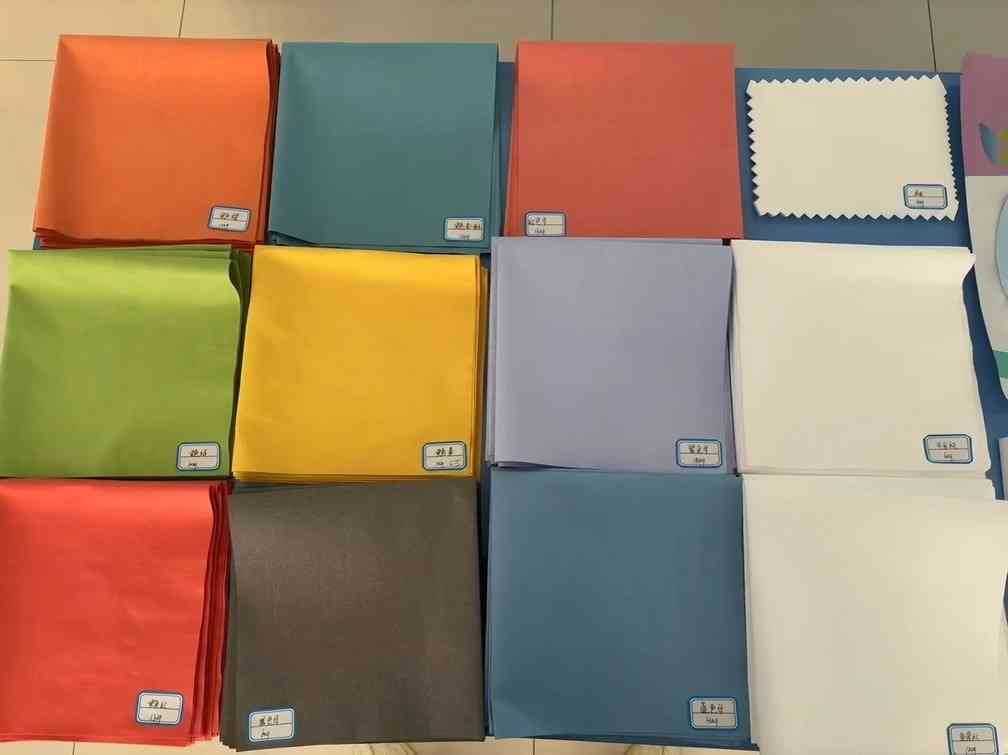
Colored ultra-fine fiber spunlace nonwoven fabric.jpg

What is the raw material for spunlace microfiber fabric?

The core raw material for spunlace microfiber nonwoven fabric is the orange-petal-shaped PET/PA6 composite filament, also known as segmented polyester-nylon composite fiber. This functional bicomponent fiber is specifically designed to suit the physical fibrillation process of spunlacing and serves as the fundamental basis for achieving ultra-fine fibers, high density, and superior adsorption performance in finished products—distinguishing it from conventional single-component polyester or viscose fibers.
I. Fiber Structure and Component Characteristics
1. Cross-sectional structure: The fiber cross-section features a radial, petal-like shape with two components evenly alternating. Common market specifications include 8-petal and 16-petal configurations, while some high-end products use a 32-petal structure. The greater the number of petals, the finer the individual filaments after fibrillation, resulting in improved fabric hand feel, cleanliness, and adsorption properties.
2. Bicomponent ratio and characteristics: Composed of PET (polyester) and PA6 (nylon 6), this fiber typically uses a standard ratio of 7:3 or 6:4. PET offers high rigidity, excellent abrasion resistance, and dimensional stability; PA6 provides softness, moisture absorption, skin-friendliness, and strong adhesion. These complementary properties, combined with moderate compatibility and micro-phase separation, enable stable spinning and solid formation, while allowing efficient mechanical delamination during fibrillation.
3. Orange-petal bicomponent filament: A single parent filament is divided into 8 or 16 segments of PET + nylon composite filaments. Under high-pressure water jets in the spunlace process, these filaments split apart, producing individual filaments as fine as 0.05–0.9 dtex, with diameters as small as 1–3 μm—significantly finer than conventional fibers.
II. Fibrillation Mechanism (Core Principle of Spunlace Process)
PET and PA6 differ inherently in melt index, shrinkage rate, and interfacial bonding strength. There is no chemical bonding between them—only physical adhesion formed during spinning. Under the high-speed shearing, impact, and rubbing action of high-pressure water streams, the interfaces between the petal structures separate and fracture. One composite mother filament can split into 8 or 16 ultrafine filaments, reducing the diameter to 1/20–1/10 that of conventional fibers, significantly increasing surface area.
Production key standard: Conventional products require a fibrillation rate ≥60%, while high-end dust-free wipes and precision cleaning cloths demand ≥85%. Fibrillation rate directly determines the final product’s water/oil absorption, stain removal, and anti-pilling performance.
III. Core Advantages of the Fiber (Optimized for Spunlace Applications)
1. Ultra-fine and dense: After fibrillation, the individual filaments are extremely fine, creating a tightly packed fabric structure with minimal pores or defects. This enables seamless wiping and highly effective filtration, ideal for electronic and optical precision cleaning applications.
2. Balanced performance: Combining PET’s durability and resistance to deformation with PA6’s softness and skin-friendliness, the finished fabric achieves an optimal balance of strength and tactile comfort. It resists washing degradation, wrinkling, and shedding.
3. Exceptional adsorption: The ultrafine fibers form a micro-scale honeycomb structure, enabling highly efficient capture of dust, oil stains, and water marks—far surpassing the adsorption capacity of conventional spunlace nonwovens.
4. Strong process compatibility: Specifically suited to high-pressure physical fibrillation via spunlace technology, it requires no chemical additives for splitting, ensuring environmental friendliness and pollution-free production, making it ideal for large-scale continuous manufacturing lines.

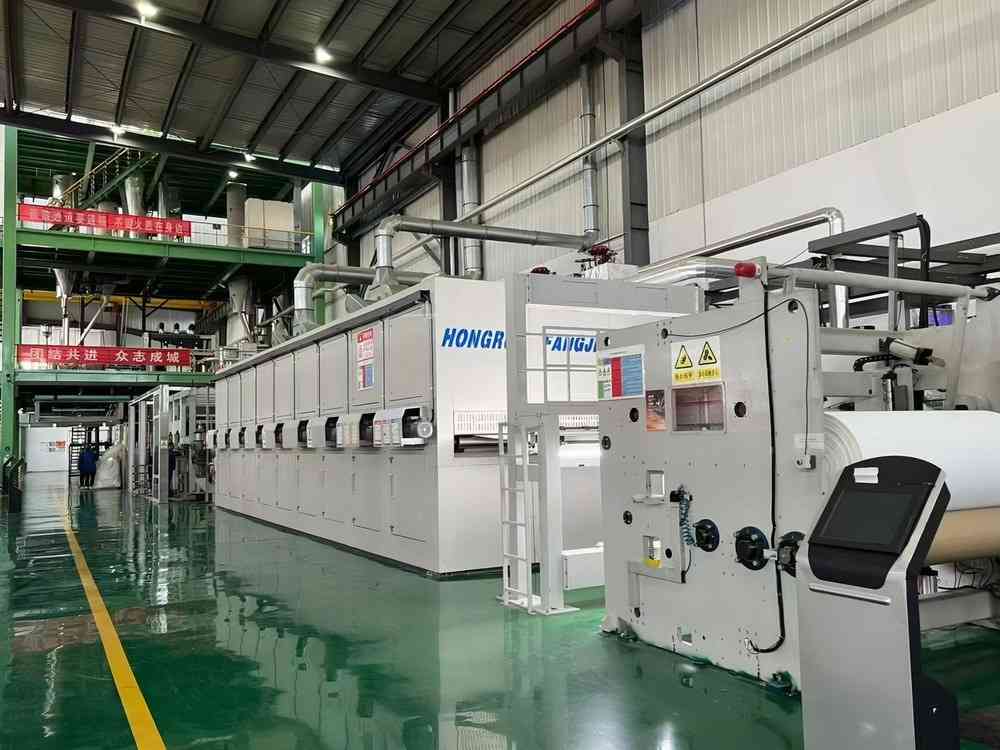
Microfiber Spunlace Nonwoven Fabric Factory.jpg

How is microfiber spunlace nonwoven fabric produced?

1. Raw Material Preparation  
PET and PA6 bicomponent composite chips (8-petal or 16-petal orange peel type) are dried to remove moisture, then fed into twin-screw extruders. The materials are melted and plasticized into two separate melts, which are combined within the spinning component to form a single filament melt with an orange-peel structure.
2. Spinning and Web Formation (Spunbond Process)  
The molten polymer is extruded through spinnerets to form primary bicomponent filaments;  
Side-blow air uniformly cools and stretches the filaments, producing continuous bicomponent filaments;  
Air-laid web technology evenly deposits the filaments onto a forming screen, creating a uniform, non-bonded, non-short-fiber web.
3. Pre-wetting Treatment  
The web enters a pre-wetting tank or spray system, where fibers are thoroughly moistened, internal air is expelled, and subsequent hydroentanglement efficiency is enhanced. This prevents high-pressure water jets from rebounding and disrupting the web structure.
4. High-Pressure Hydroentanglement (Core Process – Simultaneous Fiber Opening and Bonding)  
Multiple-stage high-pressure hydroentanglement heads eject high-speed fine water jets that repeatedly penetrate the web from both sides:  
Fiber opening: High-pressure water impact tears apart the bicomponent orange-peel filaments, separating them into micron-level ultrafine monofilaments;  
Entanglement: Water flow causes filaments to interweave and entangle, mechanically bonding the web without using adhesives or binders. Recycled water is filtered and pressurized for reuse.
5. Dewatering and Drying  
After hydroentanglement, the web has high moisture content. It first undergoes vacuum suction for initial dewatering, then enters a hot-air drying oven to remove residual moisture, stabilizing the fabric’s dimensions and strength.
6. Post-Treatment (Optional Based on Application)  
Functional treatments tailored to product requirements include: hydrophilic/hydrophobic finishing, antibacterial treatment, antistatic processing, softening, calendering, napping, dyeing, printing, and antistatic coating.
7. In-Line Inspection, Post-Treatment, and Finishing Processes  
1. In-Line Quality Inspection  
Continuous in-line monitoring of fabric weight, width, defects, holes, oil stains, streaks, and other flaws, combined with metal detection equipment, ensures consistent final product quality throughout production.
2. Functional Post-Treatment  
Customized finishing processes based on product needs: hydrophilic finishing, water-repellent and anti-splash treatment, softness enhancement, antistatic treatment, calendering, printing, and antibacterial treatment—optimized for various application scenarios.
3. Winding, Slitting, and Packaging  
(1) Mother roll winding under constant tension, recording batch number, length, weight, and width data;  
(2) Precision slitting and edge trimming according to customer-specified width, removing burrs and imperfections;  
(3) Printing;  
(4) Re-winding, labeling, weighing, laminating, and packaging;  
(5) Cutting and folding according to customer-specified dimensions;  
(6) Packaging as per customer requirements;  
(7) Finished goods storage.

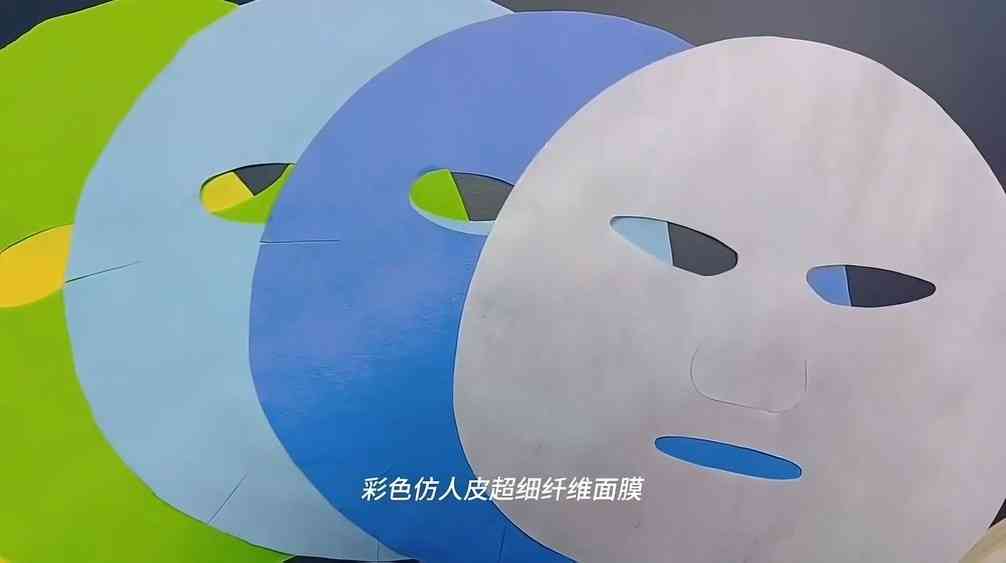
Face mask made of non-woven fabric.jpg

What are the applications of microfiber spunlaced nonwoven fabric?

Thanks to its core characteristics—ultra-fine texture, no shedding, high absorbency, softness without scratching, and excellent wash durability—microfiber spunlaced nonwoven fabric stands out from conventional spunlace fabrics. It is widely used in precision cleaning, household care, industrial applications, medical aesthetics and hygiene, leather manufacturing, and other fields, making it a leading product among high-end functional nonwovens.
(1) Precision Cleaning and Wiping Applications (Core Primary Use)
This is the largest application area for microfiber spunlaced fabric. Leveraging its high fiber density, lint-free, and dust-free properties, it is ideal for high-precision cleaning tasks, ensuring no debris or scratches on delicate surfaces.
1. Optical Product Wiping: Eyeglass cleaning cloths, lens wipes, camera lens cleaning cloths, screen cleaning cloths—leave no marks, scratches, or water streaks.
2. Electronic Dust-Free Wiping: Used for cleaning smartphone screens, LCD panels, circuit boards, precision instruments, and semiconductor equipment, meeting stringent cleanroom production requirements.
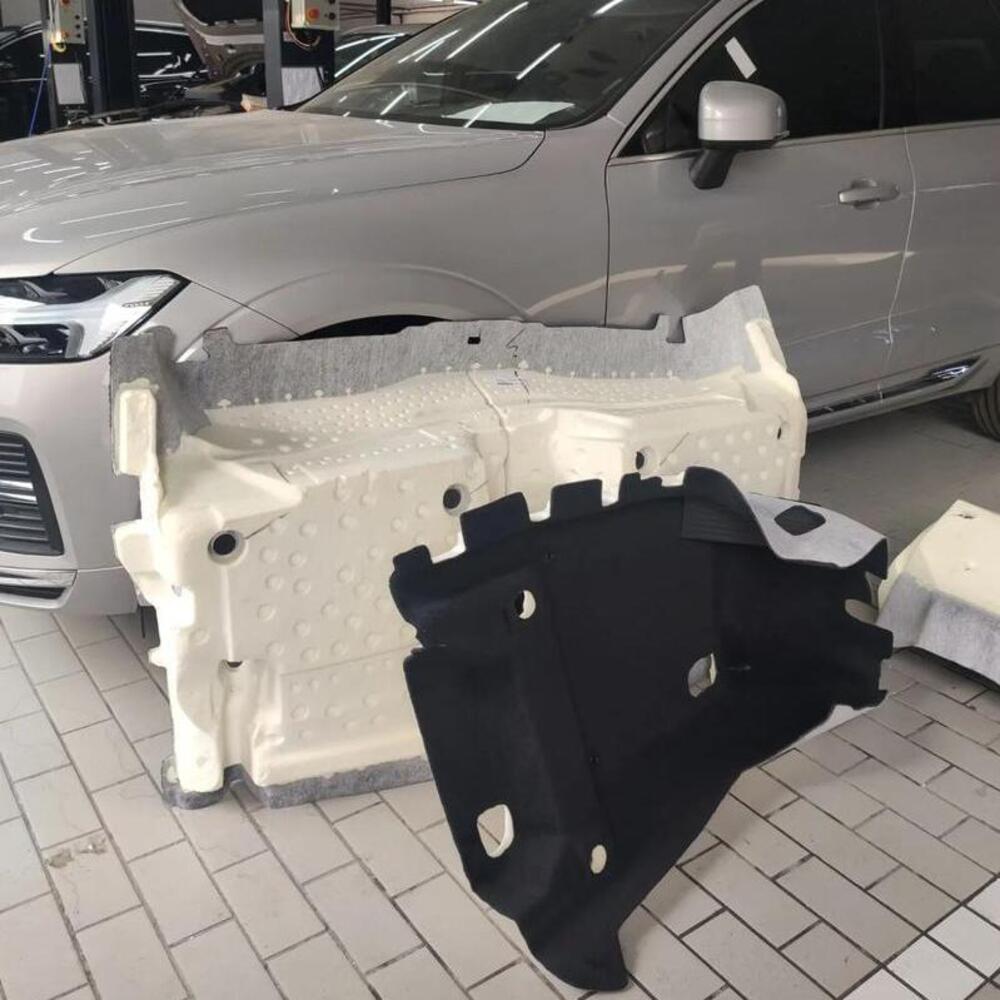
3. Industrial Cleaning: Effectively removes oil and dust from precision metal parts, automotive components, and mold surfaces; highly absorbent and reusable after washing.
(2) Household Cleaning Applications
Typically made using a blend of microfiber and viscose, these fabrics combine strong water absorption, wear resistance, and softness, making them premium household cleaning consumables.
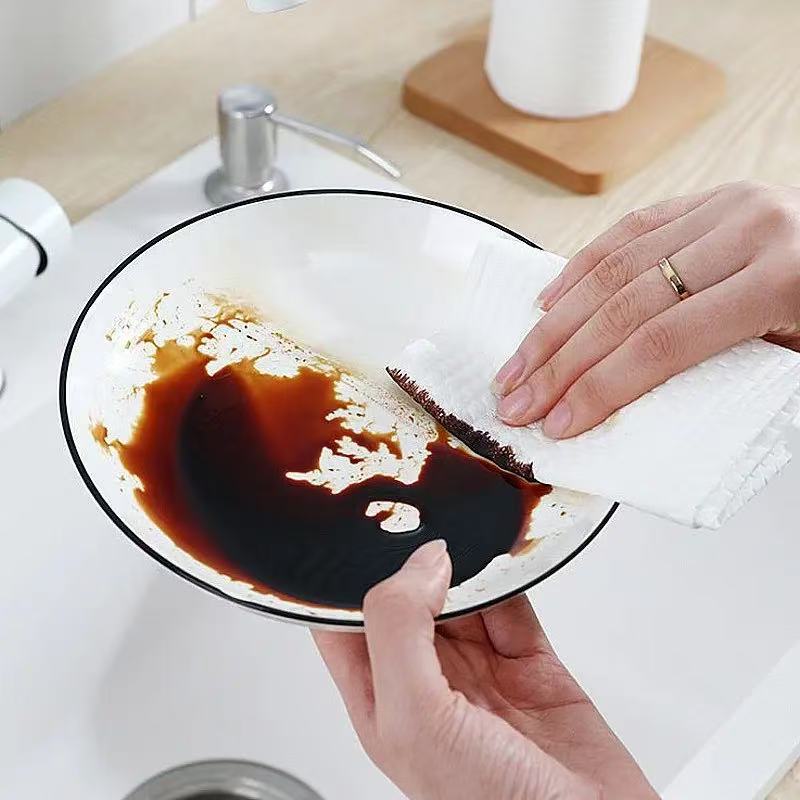
1. Home Cleaning Cloths: Kitchen degreasing cloths, tabletop cleaners, glass cleaning cloths, bathroom moisture-absorbing towels—highly absorbent, stain-resistant, no shedding, and easy to clean.
2. Automotive Care: Car wash towels, interior cleaning cloths, paint polishing cloths—soft and non-abrasive, leaving no marks when drying.
3. Specialized Kitchen & Bath Supplies: Waterproof and stain-resistant cleaning cloths, countertop dusting cloths—ideal for humid, oily home environments.
(3) Medical Aesthetics and Personal Hygiene
The fabric is soft, skin-friendly, free from fiber shedding, and highly breathable, suitable for use as disposable or reusable personal care materials.
1. Beauty and Skincare: Makeup remover pads, wet wipes, cotton pads, facial cleansing wipes—delicate, non-abrasive, and conform well to skin.
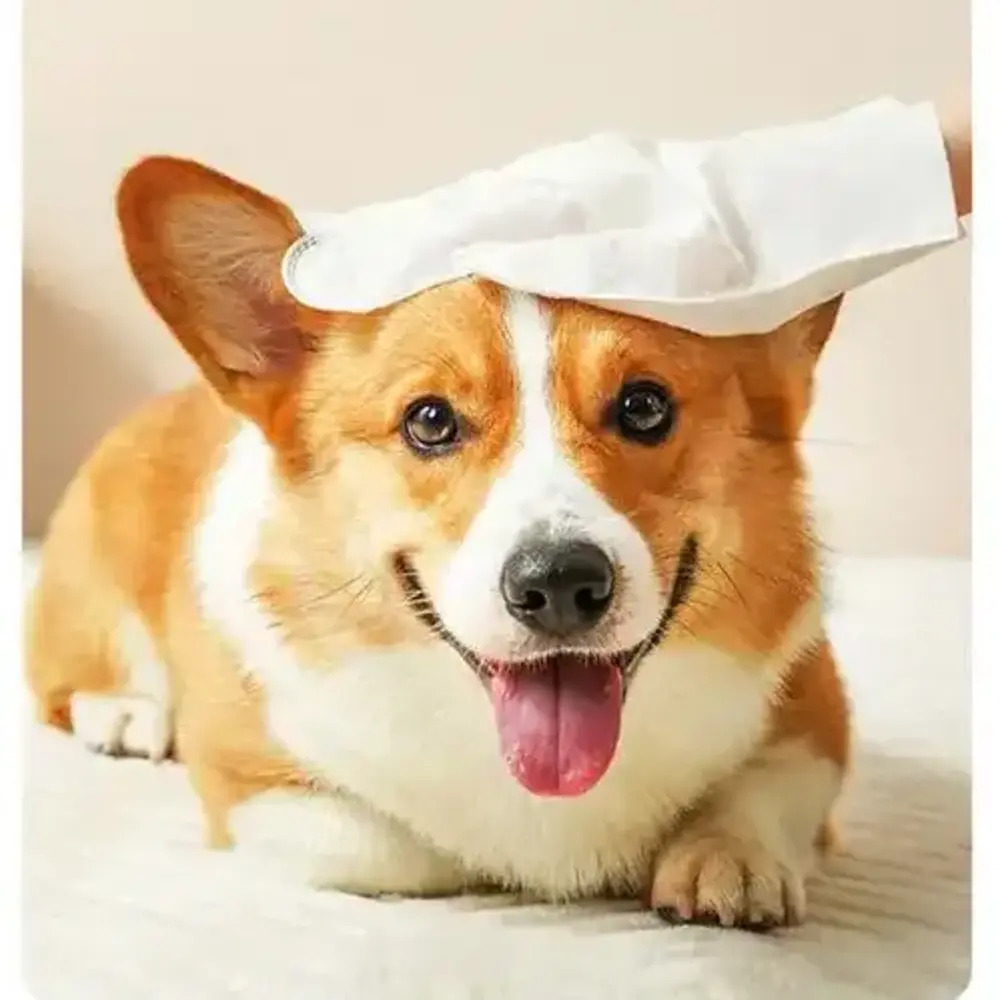
2. Personal Hygiene: Disposable face towels, dry/wet dual-use wipes, baby care wipes—gentle, non-irritating, and low allergenicity.
3. Medical Aesthetic Supplies: Medical-grade wiping cloths, wound perimeter cleaning dressings, disposable care pads—highly clean, free from impurities and loose fibers.
(4) Synthetic Leather Industry
High-gram-weight, high-strength microfiber spunlaced base fabrics serve as the core substrate for premium artificial leather, forming the foundation of microfiber leather.
Widely used in athletic shoe uppers, luggage leather, sofa and furniture upholstery, automotive interiors, and apparel synthetic leathers, this base material features dense structure, high tensile strength, excellent flexibility, and resistance to cracking. It replaces traditional knitted substrates, significantly enhancing the overall feel and durability of the finished leather.
(5) Specialty Industrial and Protective Applications
1. Filtration Materials: Effective filtration of fine dust and liquids; thanks to its ultrafine fiber microporous structure, filtration accuracy far exceeds that of standard nonwovens.
2. Moisture and Oil Absorption: Industrial oil-absorbent mats, equipment moisture-absorbing pads—quickly absorbs oil spills and accumulated water.
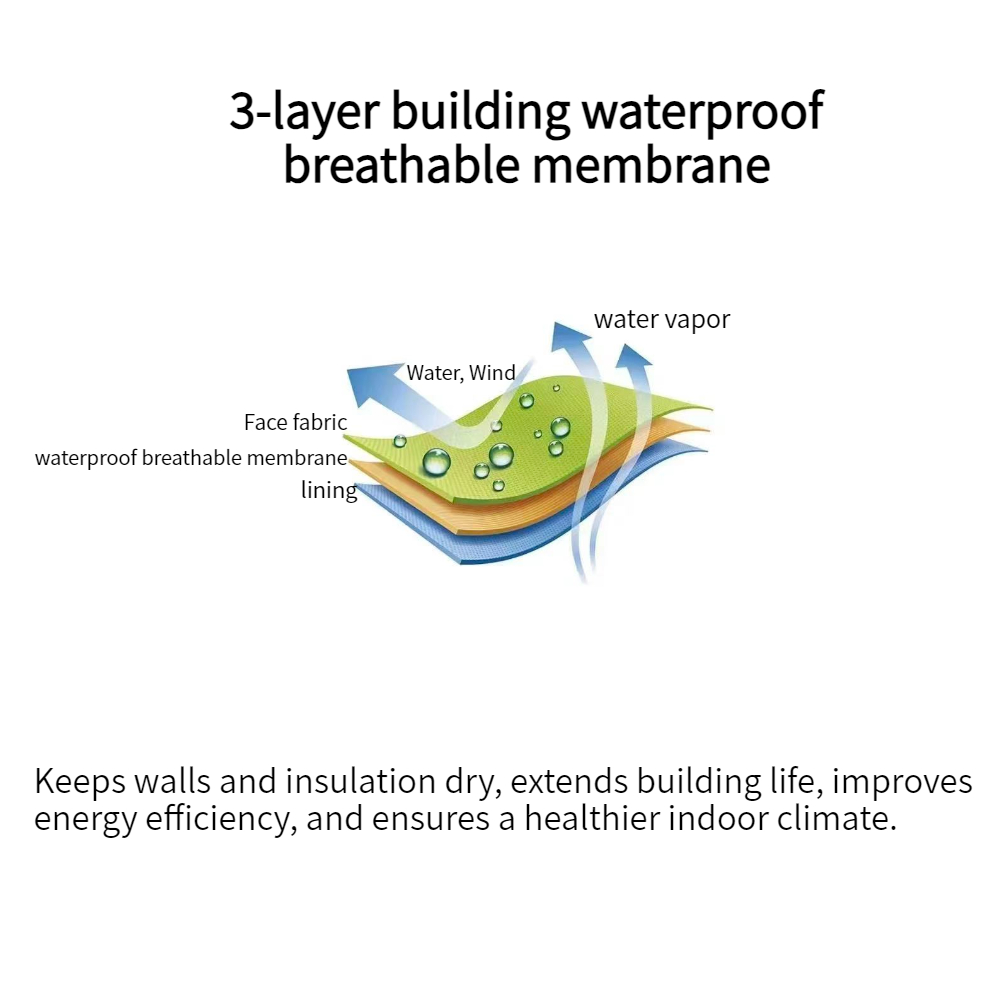
3. Composite Substrates: Base material for functional composite fabrics and waterproof-breathable laminates, compatible with various post-treatment lamination processes.

How to Select and Procure Microfiber Spunlace Nonwoven Fabric?

When selecting ultrafine fiber spunlace nonwoven fabric, it's important to choose based on actual application requirements. If you're purchasing for the first time and are unsure about specific nonwoven parameters, simply share your usage needs with the supplier. As a manufacturer of ultrafine fiber spunlace nonwoven fabric, HYFabricsupply can develop and produce products tailored to your requirements. We sell our products globally to B2B customers and offer OEM services. For more information about ultrafine fiber spunlace nonwoven fabric, feel free to contact us.
WhatsApp Email 15908001621